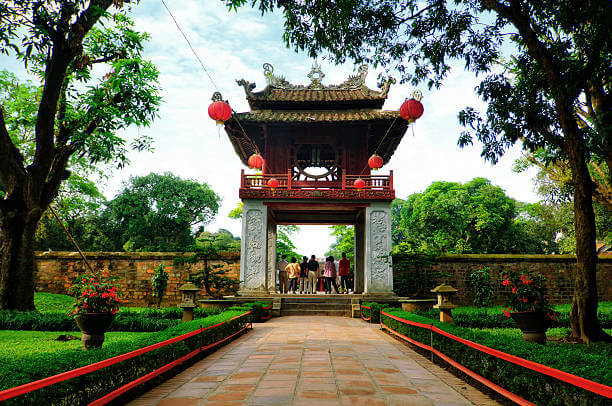
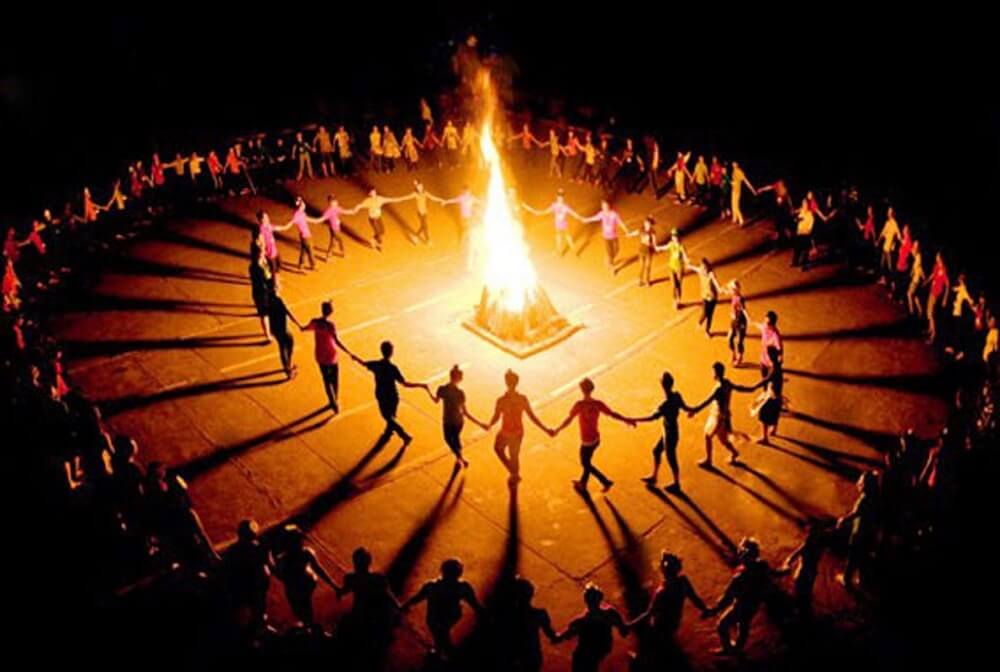
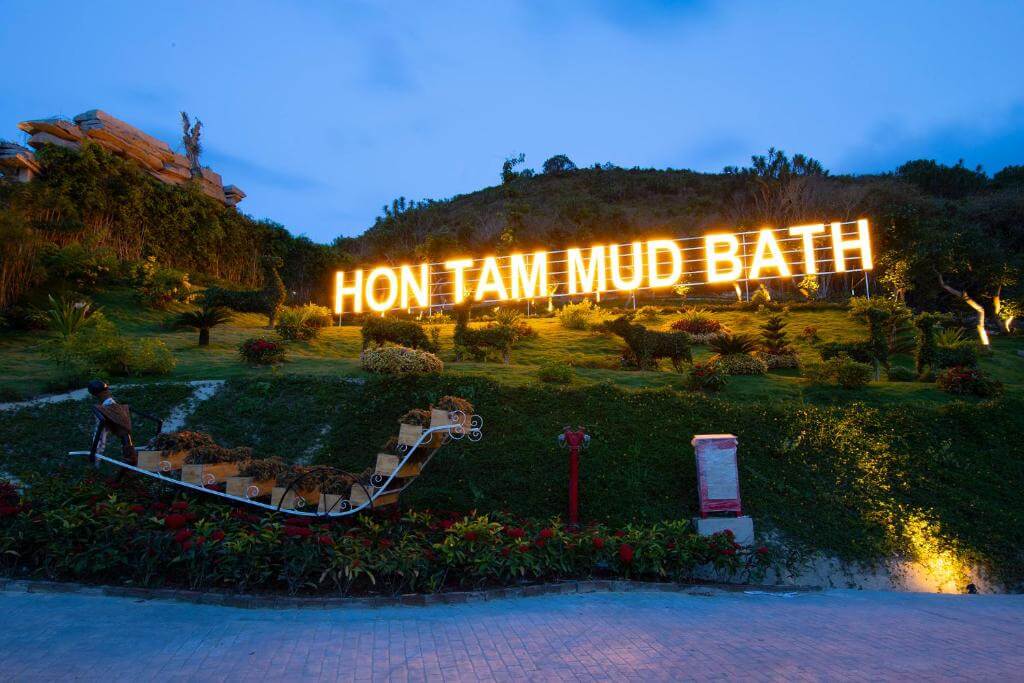
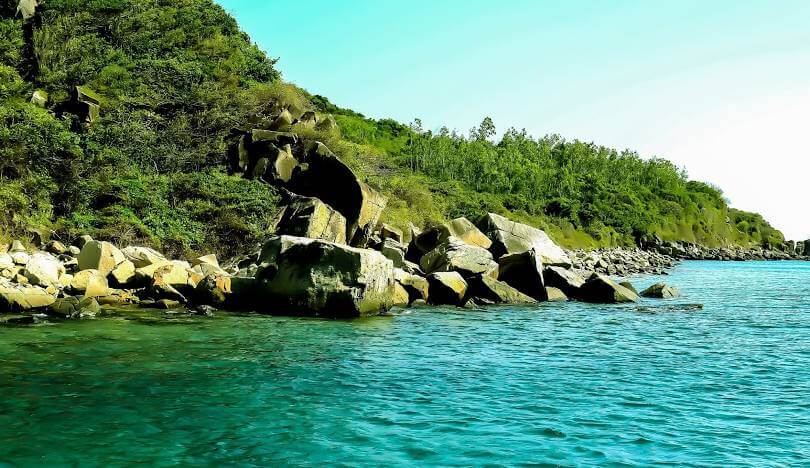
Short-term tourist destinations near Bac Ninh are always ideal choices for those who want to temporarily get away from the hustle and bustle of life without having to go too far. In just a day or two, you can explore poetic natural landscapes, valuable historical sites or attractive entertainment areas. Join Travelviet to learn about interesting destinations near Bac Ninh to have a complete and memorable trip!
Articles on the same topic: What to buy as a gift when traveling to Bac Ninh? Top 22+ historical sites in Bac Ninh you should definitely explore Be captivated by 16 tourist destinations in Bac Ninh that are sought after by many people
Interesting short-term tourist destinations near Bac Ninh
Are you looking for an ideal destination for a short trip near Bac Ninh? Discover interesting places nearby, where you can enjoy beautiful nature, learn about unique culture and relax after busy days.
Beer Temple Address: Van Thai village, Cam Giang commune, Hai Phong
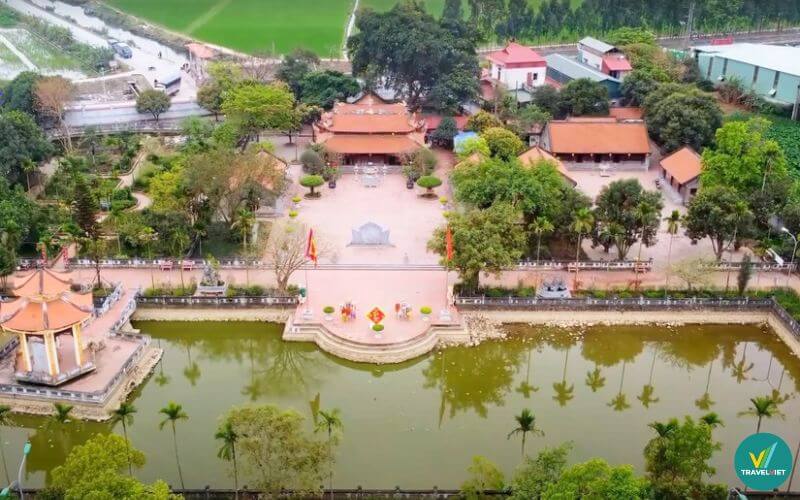
Located in the special national relic cluster of Xua Temple - Giam Pagoda - Stele Temple, Stele Temple is a sacred work associated with the name of the great physician Tue Tinh - a master of Vietnamese traditional medicine. Located on a field west of Van Thai village, the temple is not only a place of worship but also preserves a stone stele of the Le Dynasty, a special relic marking Tue Tinh's wish to return to his homeland.
After many restorations, the Stele Temple still retains its simple and dignified beauty, becoming a traditional medicine center and spiritual destination that attracts tourists from all over. With great historical, cultural and medical values, the Stele Temple and its cluster of relics were recognized as special national monuments in 2017, affirming their important position in the flow of Vietnamese history.
Kiep Bac Temple
Address: Con Son - Kiep Bac tourist area, Chi Linh commune, Hai Phong
Located in the Con Son - Kiep Bac relic complex, Kiep Bac Temple is one of the sacred destinations, associated with the great contributions of Hung Dao Vuong Tran Quoc Tuan in the resistance war against the Mongol - Yuan army. Not only does it have profound historical value, this place also preserves many precious antiques, reflecting the heroic mark of the nation.
With a location about 70km from Hanoi, Kiep Bac Temple is an ideal choice for short-term tourist destinations near Bac Ninh, bringing visitors back to the glorious history of the country. Recognized as a Special National Monument, this place is not only a spiritual destination but also a valuable cultural and historical treasure, attracting many tourists every year.
Chu Dau Pottery Village
Address: Nam Sach commune, Hai Phong
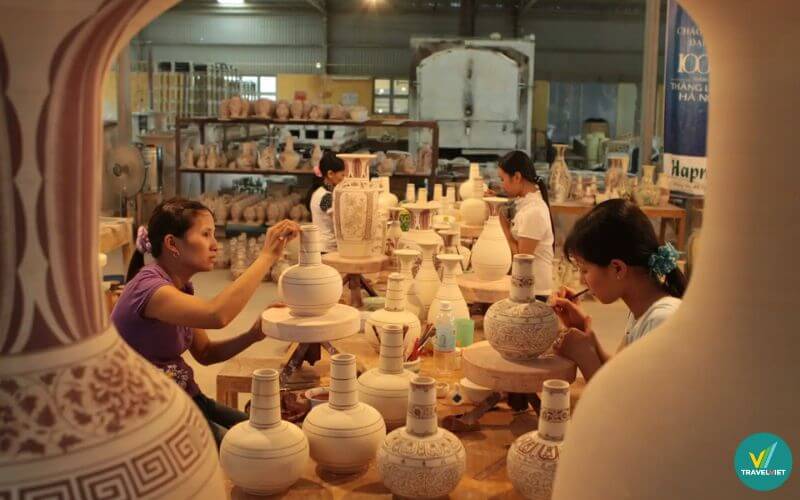
Chu Dau Pottery Village is the cradle of traditional Vietnamese ceramics, famous for its sophisticated products imbued with national culture. Located in Nam Sach district, about 10km from the city center, this pottery village is an ideal destination for those who love art and want to learn about the history of ceramics.
Highly appreciated for its unique glaze, delicate patterns and soft lines, Chu Dau ceramics not only affirm its position in the country but also appear in many famous museums around the world. If you are looking for short-term tourist destinations near Bac Ninh, Chu Dau pottery village will definitely bring an interesting journey, where you can admire, experience and create unique ceramic products yourself.
Bach Dang Lake
Address: Thanh Nien, Hai Duong commune, Hai Phong
Bach Dang Lake is an ideal destination for those who want to enjoy a peaceful and relaxing space. The calm lake surface reflects the rows of green trees, creating a poetic scene amid the rhythm of urban life.
This is not only a place for local people to walk and exercise, but also an interesting stop for tourists on their journey to explore Hai Phong. Coming here, you can relax in the cool breeze, admire the peaceful scenery and feel the slow pace of life in the heart of the city.
Qinghai Water Puppet Village
Address: Thanh Ha commune, Hai Phong
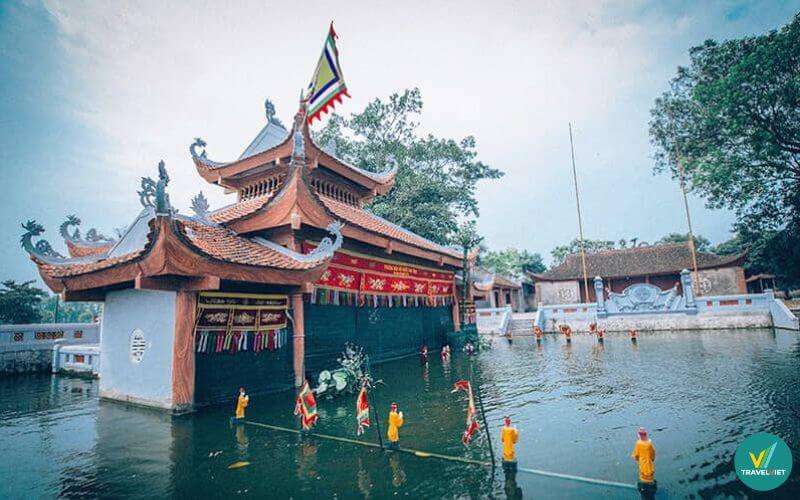
Thanh Hai Water Puppet Village is the cradle of Vietnamese water puppetry with a history of hundreds of years. Coming here, visitors will not only enjoy the unique water puppet performances painstakingly preserved by village artisans, but also have the opportunity to learn about the process of making sophisticated wooden puppets. Each performance at Thanh Hai water puppet village reflects working life, customs and love for the homeland, creating a captivating Northern cultural experience.
Con Son Pagoda
Address: Chi Linh commune, Hai Phong
Con Son Pagoda is one of the outstanding spiritual destinations of the North. With a history associated with the Truc Lam Zen sect since the Tran Dynasty, the pagoda has an ancient beauty amidst peaceful nature, surrounded by vast pine forests.
Short-term tourist destinations near Bac Ninh such as Con Son pagoda not only attract tourists because of its unique architecture but also because of its sacred space, which preserves cultural and historical imprints for hundreds of years. Coming here, visitors can immerse themselves in a quiet atmosphere, admire precious relics and feel the peaceful beauty of Buddha's door.
Vinh Nghiem Pagoda
Address: Yen Dung ward, Bac Ninh
Vinh Nghiem Pagoda (also known as Duc La Pagoda) is one of the important spiritual landscapes of the North. Built during the Ly dynasty and becoming a major Buddhist center of the Truc Lam Zen sect during the Tran dynasty, this pagoda is rich in history and ancient architecture.
With a prime location next to the romantic Thuong River, the pagoda is not only a sacred place of worship but also an ideal stop for those who love short-term tourist destinations near Bac Ninh. The quiet space, moss-tiled roof and rows of shady green trees further highlight the ancient, quiet beauty of this meditation place.
Co Ba temple rice tree
Address: Yen Dung ward, Bac Ninh
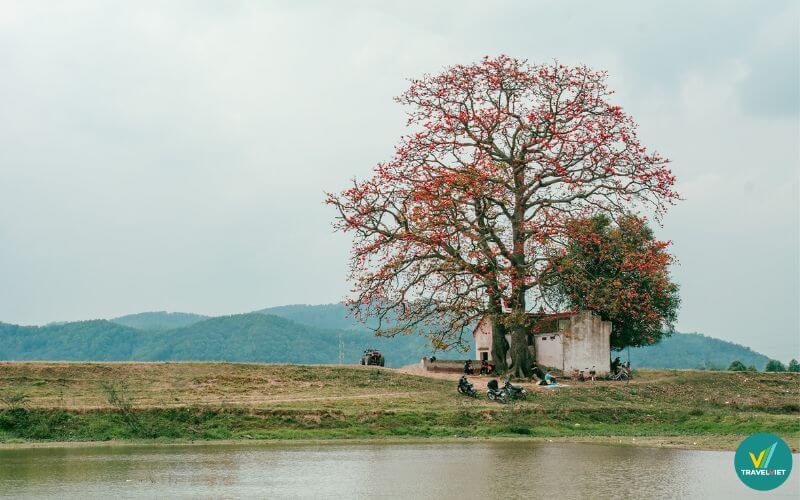
In the middle of the vast fields of Yen Dung, the Co Ba temple rice tree stands tall like a witness of time, dyed brilliant red every March. No one knows the exact age of the tree, only that it has existed for many generations, quietly shining on the banks of the gentle Thuong River.
Every blooming season, the red color of rice flower petals highlights the simple, rustic beauty of Bac Giang countryside. This place is not only an impressive check-in point but also one of the short-term tourist destinations near Bac Ninh, attracting those who love the wild, quiet beauty of nature.
Tu An Pagoda (Bo Da Pagoda)
Address: Viet Yen ward, Bac Ninh
Located at the foot of Huong Hoang Mountain, Tu An Pagoda (Bo Da Pagoda) is one of the most ancient and sacred pagodas in Bac Ninh. Built during the Ly Dynasty and flourished under the Le Dynasty, the pagoda bears the mark of Truc Lam Buddhism with unique architecture, ancient land reports and surrounding green bamboo groves.
Prominent in the relic complex is the largest tower garden in Vietnam - the resting place of hundreds of ancestors of the Lam Te Zen sect. Not only is it a spiritual destination, Tu An Pagoda is also a place where precious Buddhist scriptures are kept, proving the rich history and culture of Vietnamese Buddhism.
Tho Ha Village
Address: Viet Yen ward, Bac Ninh

Tho Ha Village is located on the romantic Cau River, is one of the famous ancient villages of Bac Ninh with quiet beauty and rich cultural identity. Once the cradle of traditional pottery, this place still preserves ancient houses, alleys paved with moss-burnt bricks, and architectural works bearing the mark of the North such as village communal houses, village gates, and hundred-year-old banyan trees.
Tho Ha is not only captivated by its ancient beauty but also by its peaceful space. Where people still diligently preserve the profession of making rice paper rolls and rice noodles - products that have been associated with life for generations.
Truc Lam Phuong Hoang Zen Monastery
Address: Yen Dung ward, Bac Ninh
Truc Lam Phuong Hoang Zen Monastery is located on the top of Non Vua in the Nham Bien range, one of the most pure and sacred destinations in Bac Ninh. With its back against the mountain and its face facing the vast plain, the monastery provides a peaceful meditation space to help visitors temporarily escape the hustle and bustle of life.
The highlight of this place is the unique Buddhist architectural complex with Tam Quan gate, bell tower, drum tower, large main hall... all of which have majestic beauty, in harmony with nature. Not only is it a sacred pilgrimage place, the monastery is also an ideal choice for those who are looking for short-term tourist destinations near Bac Ninh, where they can immerse themselves in nature and find peace of mind.
Phuc Lam Pagoda
Address: La Mat village, Pham Ngu Lao commune, Hung Yen
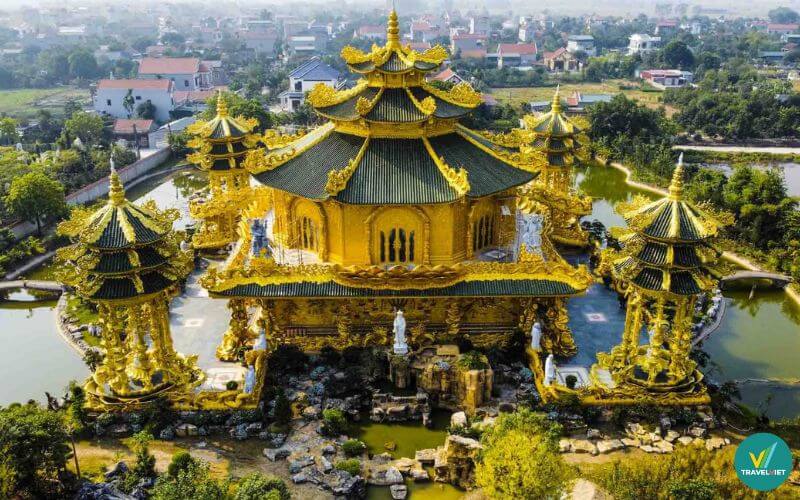
Phuc Lam Pagoda is located in Hung Yen, a unique spiritual destination with brilliant architecture bearing the mark of Thai Buddhism. Built in the 17th century and undergoing many restorations, the pagoda appears splendid with its dominant yellow color, standing out among the peaceful village scene.
With a campus of about 4 hectares, the pagoda possesses lush green landscapes, quiet lakes and soaring towers with exquisite carvings. The unique architecture, flexible dragon-carved pagoda roof and pure space make this place an ideal pilgrimage and worship destination for tourists from near and far.
Cao Thon musk village
Address: Son Nam ward, Hung Yen
Cao Thon musk village - Hung Yen is one of the short-term tourist destinations near Bac Ninh that bears the mark of a traditional craft village. With a history of more than 300 years, this place is famous for making musk incense, preserving the secret to creating gentle scents from herbs such as cloves, cinnamon, rose leaves...
Coming to Cao Thon, visitors will not only be able to immerse themselves in a peaceful, poetic space but also have the opportunity to witness with their own eyes the bunches of crimson incense drying in the yard, radiating a faint fragrance. In particular, directly experiencing the incense making process will help you better understand the quintessence of this traditional craft village.
Nom Village
Address: Dai Dong commune, Hung Yen
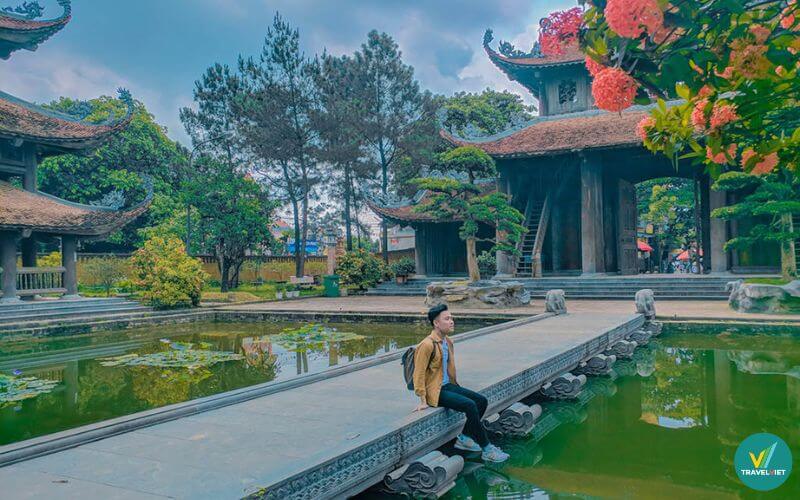
Nom Village - Hung Yen is an ideal destination for those who want to find the ancient beauty of the Northern countryside. Only about 35km from Hanoi, this village still retains its time stamps with mossy village gates, bustling countryside markets, ancient houses and familiar banyan trees, wells, and communal courtyards.
In particular, Nom pagoda (also known as Linh Thong ancient pagoda) with more than 100 unique terracotta statues, is a project rich in historical and spiritual value. Not only that, traditional festivals, bustling markets and the rustic lifestyle of the people here create a special attraction for this hundred-year-old village.
Ham Lon Mountain
Address: Soc Son commune, Hanoi
Ham Lon Mountain is one of the short-term tourist destinations near Bac Ninh, a great choice for those who love to explore wild nature. Belonging to Doc Ton range, this mountain is located in Soc Son, about 40km from Hanoi center, very convenient for weekend trips.
With an altitude of 462m, Ham Lon offers majestic landscapes with green pine forests, small gurgling streams and especially the large Nui Bau lake at the foot of the mountain, where visitors can relax, camp or watch the romantic sunset. It is this wild yet attractive beauty that has made Ham Lon a favorite destination for backpackers and those who want to enjoy a peaceful space in nature.
Van Phuc Silk Village Hanoi
Address: Ha Dong ward, Hanoi
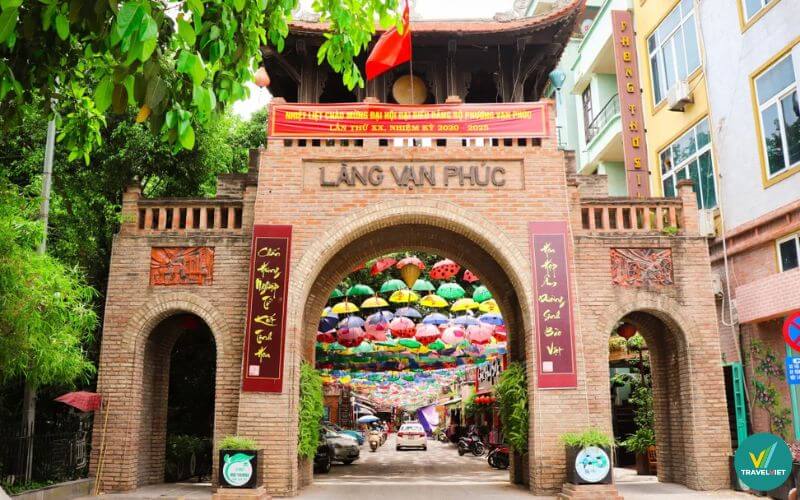
In the heart of bustling Hanoi, Van Phuc Silk Village is like a nostalgic note, a place that preserves the essence of traditional Vietnamese silk weaving. About 10km from the center, this village has long been famous for its soft silk sheets and sophisticated patterns, once considered the most quintessential product in Indochina.
Walking on the red brick road, visitors will see images of artisans plying their looms, weaving shiny silk with the breath of history and culture. Not only is it a destination for those who love traditional craft villages, Van Phuc also offers a peaceful space where ancient beauty blends with modern life, creating a special attraction in the heart of the Capital.
Above are short-term tourist destinations near Bac Ninh, each with its own beauty, from majestic nature to traditional cultural values. Whether it's a relaxing weekend trip or a journey of discovery, these destinations promise to bring you memorable experiences. Plan and enjoy wonderful moments today!
Bac Ninh 3575 view
Update day : 28/03/2025

The famous Khuon Than tourist area is located in Luc Ngan district, Bac Giang province. The current destination is about 100km from Hanoi and about 50km from Bac Giang city (Chu street). From the center of Chu town, turn left about 10 km, a beautiful scene appears before your eyes. The clear blue lake reflects the clouds and sky along with undulating islands. Khuon Than Lake not only has simple beauty but also makes visitors captivated. This place has the beauty of harmony between air - sky - earth. A fresh landscape and ecological environment. Khuon Than Lake appears prominently in the midst of a colorful natural painting. That painting was woven from the vast green of the forest, sky, clouds, and mountains. With an area of about 240 hectares, this place is surrounded by lush pine, indigo, and acacia mangium forests. That scene is further enhanced by the brilliant red color of the lychee hills in harvest season. In addition, there are trees leaning over to shine. The beauty of Khuon Than Lake becomes even more attractive by the large and small islands emerging in the middle of the water. The islands are covered with pine trees and various fruit trees. The Creator has given Khuon Than tourist area a wonderful scenery. Coming here, visitors can relax on a yacht. Floating in the middle of the lake, feel the immensity and peace and immerse yourself in the magical natural scenery. The beauty of sky, clouds, and water blend together before your eyes. When reaching the top of Khuon Than Lake dam, visitors can feel the vast, majestic, and poetic scenery of the forest. In particular, during the rainy season, water flows from the top of Khuan Than dam rushing down into the valley along the lake, creating a spectacular scene. On the way, visitors can stop to visit floating islands. On these islands are planted pine trees and fruit trees: lychee, longan, etc. The space is vast, peaceful, lyrical and poetic. Sitting on the cool green grass, under the shady rows of pine trees. Or lie down in swinging hammocks under the longan trees. Immerse yourself completely in nature, the gentle breeze blowing away all your worries. Each place will have its own time to fully display its inherent beauty. With Khuon Than Lake, this place has cool, fresh air so you can come at any time of the year. However, summer is probably the most ideal season to come here. Contrast to the dusty heat of the city. In the summer, you can take the time to go to Khuan Than area. This place brings you the coolness of the lake and fresh air. Not only that, you can also admire the red color of the brilliant lychee hills and enjoy delicious lychees. A comfortable, pleasant feeling here. The space, scenery, and people here have made Ho Khuon Than tourist area an interesting destination. Experiencing Khuon Than Lake will definitely be an unforgettable memory with the beauty of the people, the dreamy scenery with a strange appeal in the middle of a mountainous landscape. This place is an ideal destination for those who love and explore nature. It is also a stopping place for those who want to find a peaceful and relaxing place.
Bac Ninh
March to October
7037 view

Each province and city in Vietnam is blessed with rich natural scenery and unique landscapes. Bac Giang is no exception to that favor. Referring to Bac Giang, we think of spiritual relics such as Vinh Nghiem Pagoda, Bo Da Pagoda, Lo Hanh Communal House, Dinh Huong Tomb, and Ho Ngo Tomb associated with a unique and long-standing traditional culture. Referring to Bac Giang, we mention famous tourist destinations such as Dong Cao, Suoi Nuoc Vang, Cam Son Lake,... and we cannot help but mention Khe Ro Primeval Forest. The reason this place has such a name is due to the terrain characteristics with deep ravines, high mountains, old forests and especially when the weather changes, sounds like waterfalls can be heard in Khe Ro. That's why the people here call it "Giant Khuoi Lo" which in Mandarin means Khe Ro. Located in the West Yen Tu conservation area, the natural scenery in Khe Ro primeval forest is extremely wild and a bit mysterious enough to make tourists curious. Therefore, this place is quickly becoming an interesting destination for tourists who love to explore and want to relax with nature. Khe Ro primeval forest has a total natural area of 7,153 hectares, located in three basins: Khe Ro, Khe Din and Khe Nuoc Vang. The forests here are very rich in animals and plants, especially rare species. In particular, Khe Ro primeval forest is very famous for its over 500-year-old love tree, which is both a dating place, a place to get married, and a place to witness many beautiful love stories of boys and girls. An Lac. Due to the terrain characteristics, this place quickly became an attractive weekend resort and eco-tourism area. Coming to Khe Ro, visitors can not only immerse themselves in the clear spring water, but also experience many interesting fun activities, especially activities to experience the life and culture of the people. Currently in the village, there are many households with overnight accommodation services for tourists with a capacity of several dozen guests per night.
Bac Ninh
From January to December
7863 view

"Father's death anniversary in August, Mother's death anniversary in March", every year on March 30 and April 1 of the lunar calendar, people of all ethnic groups in the foothills of the West slope of Yen Tu, Luc Nam district (Bac Giang) enthusiastically celebrate Suoi Mo Association. The festival commemorates the goddess My Nuong Que Hoa, revered as the Holy Mother of Thuong Ngan, who publicly cleared land, opened cool streams, and taught people to cultivate for a prosperous life. According to ancient documents, Suoi Mo Temple worships the Holy Mother Thuong Ngan who was once ordained: "Extremely powerful divine powers, twelve goddesses of Vuc Mo". The Mother Goddess Thuong Ngan worshiped at Suoi Mo is My Nuong Que Hoa, daughter of King Hung Dinh Vuong and Queen An Nuong. The Queen gave birth to her under a cinnamon tree and then passed away. Growing up, Que Hoa always missed her mother, so she went into the deep forest to find traces of her gentle mother. Coming to the valley that is today's Nghia Phuong commune, the land was flat and spacious but the vegetation was withered and ragged due to frequent droughts. Que Hoa thought that she had to find water for the people to live. After many days of hard travel, the princess came across a vast lake, wondering how to open a way to bring the cool water to the dry place, when an old man with white hair and beard gave him a book to practice life-saving miracles. Que My Nuong then set up a palace as a place to practice and was successful. She spread out her five fingers and pressed down, creating a strange force that caused the mountain to crack, rocks to rumble, and water from the ravines to rush downhill to the lowlands and then flow into a smooth stream. Since then, trees have grown, birds have come, and people's lives have become increasingly prosperous. At that time, My Nuong Que Hoa and her 12 maids flew to the sky on five-colored clouds. To commemorate her gratitude, the villagers built an altar at the place where she brought water from the source and called it Suoi Mo temple. Later generations were honored as the Holy Mother of the Thousand. Suoi Mo has murmuring water all year round, originating from the Da Vach and Ho Chuoi area and then flowing downstream through five consecutive mother and child waterfalls. Legend has it that it is the five-finger mark of Princess My Nuong. Along the sacred stream, people built a complex of relics including: Ha Temple, Middle Temple and Thuong Temple. Old vestiges show that the relic complex dates back to the Le - Mac dynasties and has been repaired and embellished through many stages. Coming to Suoi Mo festival means coming to the charming beauty of mountains and water. With a distance of 7 km, visitors can admire the panoramic view of this place with fresh spring water and green trees and a system of works: Ha Temple, Trung Temple, Thuong Temple, Quan Ngua Beach, Tran Temple, Ba Area. Bay Platform Palace, Hon Trung Pagoda, Xoan Communal House and Ho Bac Pagoda... Thuong Temple is located halfway up Vuc Mo mountain. From here you can cover the entire Trung Temple area, Ha Temple area and part of the valley of Nghia Phuong commune. The temple was originally created from the stone roof of the mountainside. Looking down at Suoi Mo flowing from Thum Thum waterfall. From here down, Suoi Mo gradually widens and has many large and small waterfalls. Trung Temple at the foot of Vuc Mo mountain on the right bank of this stream, has a spacious and airy space. Cool spring water flows down to Ha Temple. The larger-scale Ha Temple is located in the middle of the valley. During the festival, this is the place where visitors from all over gather to pay their respects to the temple. Suoi Mo Temple Festival is a cultural festival of ethnic people from many villages and communes at the foot of the mountain on the western slope of Yen Tu (Luc Nam). Dum and Quynh villages in Nghia Phuong commune from ancient times to the present, on festival days, there is a procession of colors, tablets and offerings to Suoi Mo temple. In addition, the temple festival also organizes competitions in archery, ethnic martial arts, wrestling, chess, swinging, cockfighting... A unique and distinctive cultural feature indispensable in the Suoi Mo festival, associated with The main worship figure at the temple is the ritual of serving the Saint on festival days. In recent years, with the attention and direction of the cultural industry, Suoi Mo Festival also organizes a festival of adoration rituals, to honor and preserve the cultural beauty of Mother Goddess worship.
Bac Ninh
From January to December
7628 view

Suoi Mo eco-tourism area is located on the spiritual route from Bac Giang city to Thanh Son town (Son Dong) connecting with many attractive tourist areas and destinations such as: Vinh Nghiem Pagoda (Yen Dung); spiritual - ecological tourism area of West Yen Tu, Khe Ro (Son Dong), and adjacent to Quang Ninh and Hai Duong provinces, becoming a tourist destination connecting transit with tourist destinations in the relic complex - scenic spots in the East and West of Yen Tu, along with Con Son - Kiep Bac relics and other tourist attractions of the 3 provinces. Suoi Mo eco-tourism area has historical, cultural and religious value, including a system of 3 main temples: Lower - Middle - Upper worshiping the Holy Mother of the Upper Thousand Princess Que Mi Nuong, daughter of the second Hung King. IX - the person who publicly opened the fat abyss, brought water to the fields, and taught people how to grow crops and raise livestock. Suoi Mo Temple with its ancient features and historical cultural values preserved here was recognized as a National Historical Site in 1988. Suoi Mo Temple Festival takes place every year on the 30th of January. The 3rd and 1st and 2nd days of the 4th lunar month are to pray for good harvests and are also an opportunity for people to express their gratitude to Princess Que My Nuong, attracting thousands of tourists from all over to pray for blessings and fortune. .. The festival imbued with national identity was recognized by the Ministry of Culture, Sports and Tourism as a national intangible cultural heritage in 2015. At the same time, Suoi Mo Ecotourism Area also has relics Other nearby areas such as: Tran Temple, Boy Lech Temple, Co Be Xanh Temple, Quan Temple...; Historical relics of a heroic time of the nation such as Quan Ngua Beach, Ba Dinh Bay Platform area during the Tran Dynasty...; Relics bearing the mark of Buddhism in Truc Lam Yen Tu such as: Ho Bac Pagoda, Hon Egg Pagoda... create Suoi Mo cultural and spiritual tourism complex. One of the things that any tourist who has ever been to Suoi Mo cannot forget is the ecological beauty of the mountains, forests, streams, and waterfalls here. Stretching over an area of thousands of hectares, Suoi Mo's primary forest system is extremely rich and diverse, creating a condition for sustainable development of eco-tourism - resort. Suoi Mo has two main waterfall systems: Suoi Mo waterfall and Thum Thum waterfall with majestic and poetic beauty. Each waterfall system has many majestic waterfalls, each step has its own beauty, and especially at the foot of these waterfalls there are extremely interesting natural baths. Coming to Suoi Mo on hot summer afternoons, visitors will be able to soak in the cool water and then let the water from above pour down caressingly all over their bodies like a physical therapy to help dispel the pain. stress and fatigue after hard working days or choose your own space on chairs and stone beds to rest and feel the beauty of Suoi Mo mountains and forests. In Suoi Mo Ecotourism Area, there is also Suoi Mo reservoir with a total water surface area of more than 30 hectares, around the lake are flat green lawns suitable for various types of tourism such as: camping picnics, fishing, boating... At the same time, with a system of primeval forests, Suoi Mo rocky plateau is an attractive destination for young people who are passionate about backpacking and mountain climbing to explore the beauty of nature here. Suoi Mo is identified as an important highlight in tourism development of Bac Giang province, always receiving attention for construction investment. Recently, the infrastructure of Suoi Mo Ecotourism Area has gradually been completed. Many important investment items with a total amount of hundreds of billions of VND such as: Suoi Mo lake project, Suoi Mo landscape protection forest, tourist area infrastructure investment project; upgrading and repairing Ha Temple, Van Theater and campus; Tran Temple suspension bridge; tourist route construction around Suoi Mo lake; The work of repairing and embellishing the Trung Temple relic area...
Bac Ninh
From January to December
7611 view

Duc La Pagoda (also known as Vinh Nghiem Pagoda) is located on a low hill in Duc La Pine, Tri Yen Commune, Yen Dung District, Bac Giang Province. Duc La Pagoda is located about 18 km from the city center. Maybe that's why this place is free from the hustle and bustle of the city. The pagoda was built from the beginning of the reign of Ly Thai To (1010-1028) until the reign of King Tran Thanh Tong (1258-1278). The pagoda was a place where many high-ranking monks practiced. Therefore, the pagoda has been renovated to be more magnificent and splendid. The pagoda is also the place where King Tran Nhan Tong came to receive ordination and founded the Vietnamese Zen Buddhist sect. At Duc La Pagoda, King Tran Nhan Tong, Phap Loa and Huyen Quang created the Truc Lam Tam To of the Truc Lam Zen sect. Duc La Pagoda stands out with its charming and poetic natural landscape. The pagoda is located on a low hill, at the confluence of Luc Nam and Thuong rivers. Surrounding the pagoda is Co Tien Mountain. A great location, meeting the mountains and rivers. Not noisy or bustling, standing here, people seem to be immersed in the vastness of heaven and earth. Duc La Pagoda is located on a large campus with an area of about 10,000 square meters. The beginning is Tam Quan gate and then Tien Duong. Entering the temple yard, the old imprints that are still preserved appear right before your eyes. Among them, the large 6-sided stele of Hoang Dinh year is considered the oldest. Duc La Pagoda has a unique architectural style, preserved for thousands of years. The pagoda has a structure with 4 blocks: the pagoda is shaped like the letter "cong", on both sides there are rows of Ta vu and Huu vu. The rows in the pagoda are spacious with 18 compartments. Duc La Pagoda is also known for its sophisticated and artistic sculpture values. Shown most clearly through the system of Buddha statues arranged in 3 main blocks: Three Jewels, First Patriarch's House and Second Patriarch's House. Besides, the pagoda also retains many valuable relics. Notable to mention are the horizontal panels - couplets and the epitaph system with 8 panels recording the historical and development process of Vinh Nghiem Buddhist Center.
Bac Ninh
From January to December
7477 view

The tombs and temples of the Ly Dynasty Kings are historical evidence of the ancient Co Phap village and today's Dinh Bang; It is a relic land, a temple to worship the Ly dynasty kings and is also the burial place of the Ly dynasty's ancestors and royal family. Ly Dynasty (1009 - 1225), from when Thai To (Ly Cong Uan) ascended the throne, moved the capital from Hoa Lu to Thang Long (1010), experienced 8 kings, passed the throne for 216 years, was the period when the state conferred independence, autonomy, and strength, the people can live in peace and prosperity. The relic site is a unique architectural work, with stone carving, wood carving, worship statue carving, and construction techniques all reaching a sophisticated level and many intangible cultural heritage values being preserved. : worship beliefs, festivals, customs, practices.... The tomb area of the Ly Dynasty kings is also a particularly important archaeological site serving scientific research. The relic has many other names, such as Do Temple, Co Phap Dien/Ly Bat De Temple and Tombs of Ly Dynasty Kings (Tho Tomb Thien Duc or Son Mau Forbidden Land); Includes 2 main areas: Do Temple and Tombs of Ly Dynasty Kings (Forbidden Land). 1. Do Temple: total area of 31,250m2, divided into inner city and suburban areas. Suburb: 26,910m2 wide, including semicircular lake, water pavilion, writer's house on the right, martial arts house on the left. Inner city: 4,340m2 wide, divided into interior and exterior areas. The interior includes: the harem, the carriage house, the altar house, the stele house and the house for 8 altar palanquins, the house for 8 worship horses on both sides. The exterior includes: Phuong communal house, King's temple, celebrant's house, guest house, exhibition house, hall, five dragon gates, temple yard, elephant statues, stone crocodiles... 2. Tombs of Ly Dynasty Kings (Forbidden Land) The tomb area is the final resting place of the Ly dynasty kings, about 800m northeast of Do temple, located in Sen Pond area, in the fields of Dinh Bang ward, Tu Son town, Bac Ninh province. Today, the tombs of the Ly Dynasty kings include the following buildings: - Tomb of King Ly Thai To - Long Chao Tomb - Tomb of Ca (King Ly Thai Tong) - Tomb Two (also known as Tomb Con) worships King Ly Thanh Tong - Tomb of the Elephant (King Ly Nhan Tong) - Tomb of Duong Gio (King Ly Than Tong) - Tomb of Duong Thuan (King Ly Anh Tong) - Tomb of King Ly Cao Tong - Tomb of King Ly Hue Tong - Mausoleum of Mrs. Nguyen Phi Y Lan - Phat Tich Tomb (Pham Thi's mausoleum) There are not many artifacts left at the Do Temple relics and the Ly Dynasty kings' mausoleum area, such as 8 tablets with the names of the Ly kings painted in red and gilded, carved in the Le dynasty, bronze tops, and cranes. bronze and some bowls and dishes dating back to the Le dynasty. In particular, there is a stone stele, dated 1604, compiled by Dr. Phung Khac Khoan, recording the merits of the Ly kings. In addition, cultural activities of folk beliefs and worship of Ly dynasty kings are still maintained and become traditions at Do temple. Every year, three main festivals take place in Dinh Bang: - Temple festival on January 7. - The communal house is held on February 15, taking place on 2 main days (from February 14 to 15). - Temple festival on March 15, held at Do temple. With special value, the historical site of the Ly Dynasty kings' tombs and temples was ranked a special national monument on December 31, 2014 by the Prime Minister. Source: Department of Cultural Heritage
Bac Ninh 7736 view

Van Coc communal house is also known as Bai Ca communal house, people in the area often call it Bai communal house. Bai Ca communal house used to worship the saint Cao Son Dai Vuong together with Bai Xanh communal house. For some reason, this communal house was divided into two (upper communal house of Xanh village, lower communal house of Bai village. Both communal houses are located at the foot of the western mountain of Bai Mountain, one of the mountain ranges in the Nham Bien Son range or the 99-top anchor mountain. The village is spread out along the mountain slope like a flying Coc, looking down at the sunken field which is a lake Lang Bac in the past. Looking from above, Van Coc village looked like a Big Coc, the body was Bai Mountain, the head was Don Mountain, and the two long wings spread out on both sides were Van Coc village. The communal house was located under the eyes of the coc . Van Coc communal house is located in Van Trung commune, Viet Yen district, Bac Giang province. This is the place to worship the village's Tutelary God, Saint Cao Son Dai Vuong. Duc Cao Son is from Lang Xuong Cave, Thanh Chau district, Gia Hung district, Son Tay religion. He is the son of Nguyen Hanh and Dau Thi Loan. He was born because his parents were told in a dream that the god was reincarnated. So when he grew up, he was very intelligent in martial arts and knowledgeable about heavenly books. When the country had foreign invaders, King Due Vuong issued an edict to go everywhere to find talented and virtuous people to help the country. He immediately returned to the court to apply for the position and was immediately employed. He was appointed by Tan Vien Son Thanh as a senior general. With the wholehearted help of the local people - gods and people, he soon completed the work. When the Thuc army arrived, he was beaten to a pulp by his generals (afterwards he had to make peace with the Hung dynasty). After the war against the Thuc invaders, he returned to the army where he had built a stronghold to repay the people's kindness. When finished, he was ordered to return to court. Then the king sent him back to enjoy his fortune in Thanh Hoa and there the court ordained him as the Supreme God of Blessing and Strength for the places that had previously gone to fight the enemy and had received help from the people, so they had to establish a place of worship forever. His Holiness Cao Son Dai Vuong. According to Dinh's family tree, Trang Van Coc previously had an ancient temple in the communal house area, then moved it to the middle of the village. The current communal house was built in the year Mau Ty - Le Canh Hung dynasty (1788) and was built by Duong Tuong Cong - Tu Quoc Co. The communal house currently has 5 rooms, 2 rooms, 1 bamboo tube, 2 rooms, 3 harem rooms with high and wide wooden floors. In front of the communal house there are 2 square steles. The remaining relics are 8 sturdy and majestic hammock doors, 4 pairs of parallel sentences, 10 horizontal panels, 2 dragon and tiger altars, 2 water fountains, 2 purifying shelves, 2 ordination boxes, 1 color book. divine insignia, 1 jade genealogy book, 1 stone incense stick, 1 box containing a set of culvert bowls, 2 fan bones, 2 parasol bones, 2 large altar horses, 1 set of halberds with more than 20 halberds, a set of precious bowls, a Culinary temple, 1 dragon communal house, 1 ancient incense burner, 2 altar thrones, 2 tablets. All are painted with gorgeous gold lacquer. One drum, one gong and some stone lamps, candlesticks... Along with the brilliant victory on the Nhu Nguyet river front line, the historical site of Mount Don was the place where extremely fierce battles of our army and people during the Ly dynasty took place against the Song invaders. This was also the place to welcome Win a victory and chase the national enemy out of the country. Because after the swift and courageous strategic battle of our army and people against the army group commanded by General Quach Quy here, the enemy's invasion plot was crushed and Quach Quy resigned to bitter defeat. At night, the order was given to withdraw the remaining troops back to the country, trampling on each other (as the Song Dynasty's own history had to admit). Van Coc Communal House was ranked a national historical, architectural and artistic relic by the Ministry of Culture, Sports and Tourism on January 21, 1989). Source: Electronic Information Portal of Viet Yen Town, Bac Giang Province
Bac Ninh 7466 view

Vinh Nghiem Pagoda, also known as Duc La Pagoda, is an ancient pagoda in Duc La village, Tri Yen commune, Yen Dung district, Bac Giang province. Vinh Nghiem Pagoda is an ancient pagoda, where the only original set of woodblocks of the Truc Lam Buddhist sect is kept. The 3,000 woodblocks of Vinh Nghiem Pagoda have been awarded by UNESCO as a world memory documentary heritage. The pagoda is recognized as a Buddhist center, a place to train monks for the whole country, and the birthplace of the Three Patriarchs of Truc Lam Zen sect of Vietnamese Buddhism. In 2015, the pagoda was recognized by the State of Vietnam as a special national monument. Vinh Nghiem Pagoda is located at the confluence of Luc Nam and Thuong rivers (called Phuong Nhan junction). The pagoda overlooks the confluence of rivers, towards Luc Dau Giang - Kiep Bac, Cam Ly region, the gateway to Yen Tu mountain. Surrounding the pagoda are mountains, including Co Tien Mountain. Across the river is Tran Hung Dao's royal palace, Kiep Bac Temple. Legend has it that Vinh Nghiem Pagoda was built in the Ly Dynasty (11th century). At the end of the 13th century, (1010-1028), Buddha Emperor Tran Nhan Tong expanded and built this place into a major Buddhist center of the Tran Dynasty, renaming the pagoda Vinh Nghiem, associated with the birth and development of Truc Lam Yen Tu Zen sect. As one of the ancestral places of the Zen sect, Vinh Nghiem Pagoda was built with a grand architectural scale, many items, standard and exemplary of traditional pagoda architecture. This is an ancient temple with the richest architecture of Buddhist-Vietnamese identity that no other temple in the region has, worthy of being called a "great ancient site". In the pagoda, there are also Buddha statues, statues of the Patriarchs of the Truc Lam lineage, statues of later monks, statues of Dharma protectors, statues of Arhats... In the pagoda there is also a muzzle nearly half a meter long, painted glossy black, with a sound hole. There are two lines of Sanskrit inscriptions. In the past, Vinh Nghiem Pagoda was a place to train Buddhist monks, so it was a storage place for ancient scriptures that were up to 10 rooms wide. These are collections of sutras dating back 700 years, a treasure trove of extremely valuable ancient books, such as: The novice monk, the monk, the novice monk, the 348 precepts, the Yen Tu diary from the 15th century (the process of forming the Truc Lam sect), Hoa Nghiem Sutra, Amitabha Sutra, Mahayana Chi Quan, Precepts and Ni Sutras... Today there are many wooden shelves printed with historical sutras still at the pagoda. The ancients called this engraving, proving that Vinh Nghiem Pagoda once dominated 72 forests. Currently, the Moc Thu warehouse still preserves 34 books with nearly 3,000 engraved copies, each copy has two sides, each side has 2 upside-down engraved pages (negatives) with about 2,000 Nom and Chinese characters. Those engravings are still handed down in our country with each sharp and delicate handwriting. Today, those values still remain intact, without any loss of value. The pagoda's area is about 1 hectare, surrounded by dense bamboo. Currently, the pagoda is being renovated and creating favorable conditions for tourists to travel and worship. Visitors can follow the route such as: three-entrance gate, go about 100m deeper to worship the road, also known as Ho Pagoda. On both sides of the pagoda's road, pine clumps about 1 meter long were built to form pine forests. On the temple grounds there is a large stone stele with 6 sides built in the 7th year of Hoang Dinh (1606). Right in front of the ancient stele is the tomb tower garden of 5 monks: Phu Lang Trung Phap (named Sa Mon), Thong Due Ung Duyen, Thanh Quy, Tinh Phuong Sa Mon, Thanh Hanh and a number of other towers. Vinh Nghiem Pagoda Festival is held on the 14th day of the second lunar month. Source: Bac Giang Province Electronic Information Portal
Bac Ninh 7442 view

Phuc Long communal house is located in Tang Tien commune, Viet Yen district, Bac Giang province. Phuc Long communal house is the center of traditional religious and cultural activities of the people of Phuc Long village, past and present. The village communal house is a place of worship for the entire people, and is also the center for organizing the village's festivals during Tet holidays, which represent the long history and cultural traditions of Phuc Long village. Based on the legend engraved on the stone stele of King Tu Duc, and according to the legends of the local people, Phuc Long communal house worships the gods of sound and inspiration, helping to fight the enemy to save the country and protect the country. defend the homeland. In addition, Phuc Long people also worship Nhue District Cong Le Tuong Cong, the Le Dynasty mandarin who helped people rebuild Phuc Long pagoda and communal house. That is the communal house and pagoda that remains today. Remembering his gratitude, the villagers carved a stele recording his merits and worshiped the mandarin as his successor. Every year, they worshiped him on the 10th day of the 7th month, called the death anniversary of the old man. The eulogy of the general's official was read on the death anniversary. They share a common belief in worshiping Heaven, Earth and Water - elements closely related to the lives of people working in wet rice agriculture. The value of Phuc Long communal house is not only in its ancient founding date, over 300 years ago, but mainly in its large scale, unique architectural style and talented carving and decoration art. , delicate. The most attractive thing about Phuc Long communal house is the decoration and engravings on the architectural parts: such as on the ends, levers, scrolls, hammock doors in front of the palace, on the gates, The column bibs (also known as column tapers), are all engraved with decorative images with many different designs. Unlike many other communal houses, the entire wooden frame of Phuc Long communal house is bare, unpainted and gilded, showing off all the sophistication and ingenuity of the workers who built the communal house. What is recognizable is the architectural structure and especially the carvings, showing the two unions of carpenters involved in building the communal house. Therefore, the architectural style, especially the carving, shows two different styles, delicate carving, trimming, elaborate and soft lines. But all of them blend together in unity, richness and diversity, reflecting the most common features of architectural art and engravings of the Le Dynasty in the late 17th century, imbued with folk art: Innocence, generous. Popular decorative shapes are the carvings, carvings of the "four sacred animals", "four precious" images with variations of dragon, Nghe, phoenix, tiger face, dragon-shaped, physical-chemical... extremely rich. Phuc Long communal house was officially recognized by the Ministry of Culture and Information as a national historical and artistic relic in 1993. Source: Electronic Information Portal of Viet Yen Town, Bac Giang Province
Bac Ninh 7412 view

Ham Long Pagoda (or Long Ham) in Thai Bao area, Nam Son ward, Bac Ninh city, was built during the Ly dynasty (about the 12th century). According to folk eyes, the pagoda is located in the jaw of a dragon, meaning under the jaw of a large dragon 9 segments long, which is the entire Lam Son range. This is a large Buddhist center, and is said to be the place of practice for monk Duong Khong Lo. Located on a land area of more than 9,000 square meters, the pagoda has a beautiful landscape, in harmony with nature, is known as an ancient temple with a long history, the architectural works are designed and decorated according to Traditional style, exquisitely carved, artistic. Today, Ham Long Pagoda is the center of spiritual activities of local people and people from all over the region, a place to worship Buddha Dharma, a place to guide living beings to good things, to stay away from evil, to live with compassion, joy and forgiveness. The current pagoda has a large scale including works: Tam Quan gate, Tam Bao, Patriarch's house, Mother's house, Guest house, Monk's house and auxiliary works. The Three Treasures Pagoda is made of ironwood, shaped like a Dinh, including the 7-compartment Tien Duong, the structure of the roof "stacked with beams and gongs", the armpits of which "those sitting on the bed are fascinated" and 3 rooms of the Upper Palace, the structure of the roof. stack of gongs and gongs", because underarms "the one sitting". The pagoda worships the 7 Patriarchs, the Mother Goddess, and Mr. Do Trong Vy, he is famous for being an intelligent and studious man and later became an honest mandarin, teacher, and culturer, especially he was the one who had the merit of founding the Vietnamese Literature. Bac Ninh Temple. After he got old, he returned to Ham Long Pagoda to practice. After his death, he was worshiped here. Currently, Ham Long Pagoda still maintains the ritual of sending souls to the souls who died at evil and sinful hours. To avoid disasters and yokes, families of ghosts often send ghosts to Ham Long Pagoda to receive shelter and salvation, so that ghosts can soon be reborn and escape to the realm of bliss. The architectural works within the Pagoda's grounds are carved with sophisticated, artistic decorations with a spacious and perfect appearance. The pagoda has a festival on the 14th day of the second lunar month, in addition, during the year there are other days such as: Buddha's Birthday, Vu Lan festival, Full Moon week, First lunar month, traditional festivals, Lunar New Year. The pagoda also welcomed many domestic and foreign delegations, high-ranking leaders of the Party and State to visit Buddha. The pagoda was ranked as a cultural and historical relic by the Ministry of Culture and Information on January 18, 1988. Source: Bac Ninh province electronic information portal
Bac Ninh 7184 view
 AI Travelviet
 vn
vn en
en ja
ja ko
ko zh
zh


 vn
vn
 en
en
 ja
ja
 ko
ko
 zh
zh